

AMD Releasing New Flagship GPU Codenamed “Hawaii” on September 25th
It seems that there shall be a bit more excitement coming...


The End Game
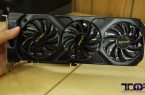
Not only was NVIDIA able to dish out a successful video card with the launch of the GTX 780, they were able to put together a polished package with the likes of GPU Boost 2.0 and the updated GeForce Experience which puts NVIDIA in full forward momentum this quarter and leaves AMD relying on lower prices and game bundles to make up for the lack of performance.
NVIDIA however, decided to just pull out the stops and bring forth the new high-end leader in the single GPU card arena and thoroughly ensuring their domination over the pack.
The GTX 780 outperforms the 680 consistently by 15-20+ frames per second in most games. Metro Last Light and Crysis 3 weren’t as drastic with the 780 producing around 8-15 FPS, depending on the resolution. The 780 shined in DX11 performance, besting the 680 by over 20 AVG FPS in Heaven 4.0 and also nearly doubled in OpenCL performance. The 780 at 78C did run hotter than the 680 at 74C though something that is to be expected with the power gains and memory increase. The GTX 780 outperforms the 7970 GHz consistently by 10-15 frames per second in most games.
Metro Last Light and Crysis 3 also weren’t as drastic with the 780 producing around 4-6 FPS more depending on the resolution. The 780 again shined in DX11 performance; besting the 7970 GHz Edition by nearly 20 AVG FPS in Heaven 4.0 but still didn’t beat the 7970 GHz on OpenCL performance, which was its strong point over NVIDIA. The 780 at 78C did run hotter than the 7970 GHz which ran at 75C, but it should be noted the HIS 7970GHz we used was the Ice Q X2 edition. The 780 performed exceptionally close to the GTX Titan coming in on average of only around 5-8 FPS slower.
The Titan ran slightly hotter at 80C with the 780 running at 78C While the GTX 780 performed extremely well with the much more expensive card, the Titan’s advantages over the 780 are double the memory (6GB vs. 3GB) and more CUDA cores (2688 vs. 2304) which will benefit the Titan in multi monitor resolutions and CUDA accelerated applications such as Adobe After Effects or Premiere.
From a gamers perspective the NVIDIA GeForce GTX 780 brings a lot of bang for the buck to the table with performance in the single GPU market that has no current rival at it’s price point. With a price that is $150.00 higher than the previous generation GTX 680 and with performance that is almost on par with the $1000.00 Titan, fans may initially wince a bit at the price increase, but comparatively it is a very good deal for the elite high end gamer market that will be fully realized as word of mouth spreads.
Gaming can now be realized on Multi-Monitor configurations much better with the addition of just that single 1GB of GDDR5 memory that NVIDIA has added, and just think you can buy 2 for almost the same price as a single Titan and the performance when fully utilized will be very nice indeed in an SLI configuration. This round goes to NVIDIA and regardless of speculation that this card should have been released earlier by many of their own loyal fans its here now and shows a nice refresh for the Green Team.
Higher resolutions are becoming more commonplace in the gaming environment as well so if you have a 30-inch monitor with a resolution of 2560X1600 and want all the bells and whistles that have to do with graphics set to their maximum values the GeForce GTX 780 is up to the task in all of today’s latest gaming titles. Here at Tech of Tomorrow NVIDIA’s latest gambit is worth of an Editor’s Choice Award as it excels in performance and runs almost as fast as cards that are hundreds of dollars more.




It seems that there shall be a bit more excitement coming...


As a part of celebrating Valve’s International Tournament 3, they
...

Conclusion and Final Thoughts I have to say right off the bat...

 Swissvell says:
 Josh Peet says:
 Kunal Gupta says:
 Guest says: